
 English
 لالعربية
 Español
 Русский
 Português
 Français
 Deutsch
 Türkçe
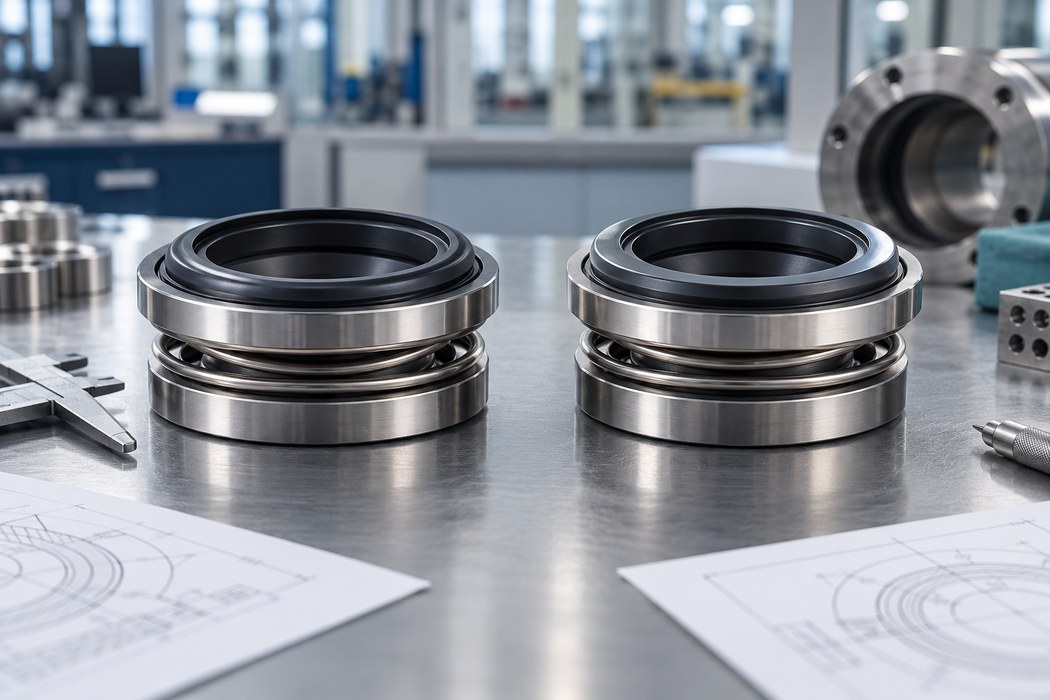
Finding the Right Balance Between Reliability, Availability, and Cost
When industrial equipment requires maintenance, customers often face a common question:
Should they purchase original manufacturer parts or consider reliable replacement solutions?
The answer depends on factors such as equipment condition, application requirements, delivery time, and sourcing strategy.
Understanding Original Equipment Parts
Original parts are supplied by the original equipment manufacturer and are designed specifically for certain equipment models.
Advantages may include:
Direct model matching
Manufacturer documentation support
Established compatibility
However, customers may also face challenges such as:
Longer delivery times
Limited availability for older equipment
Higher purchasing costs
Understanding Replacement Solutions
Reliable replacement parts are produced to match equipment requirements while offering more flexible sourcing options.
Potential advantages include:
Easier Sourcing
Replacement suppliers may provide solutions for older equipment or discontinued models.
Flexible Purchasing
Customers may have more options regarding quantities, materials, and customization.
Reduced Maintenance Waiting Time
Alternative sourcing can help customers maintain their maintenance schedule.
What Should Industrial Buyers Consider?
When evaluating replacement parts, buyers should focus on:
Product Compatibility
Confirm dimensions, structure, material, and application requirements.
Material Performance
Ensure the sealing material matches the operating environment.
Supplier Capability
Consider communication, technical support, quality control, and delivery reliability.
Conclusion
The goal of selecting replacement parts is not simply to reduce cost.
A suitable replacement solution should provide reliable performance, proper compatibility, and efficient supply support.
For industrial maintenance, choosing the right supplier can be as important as choosing the right product.